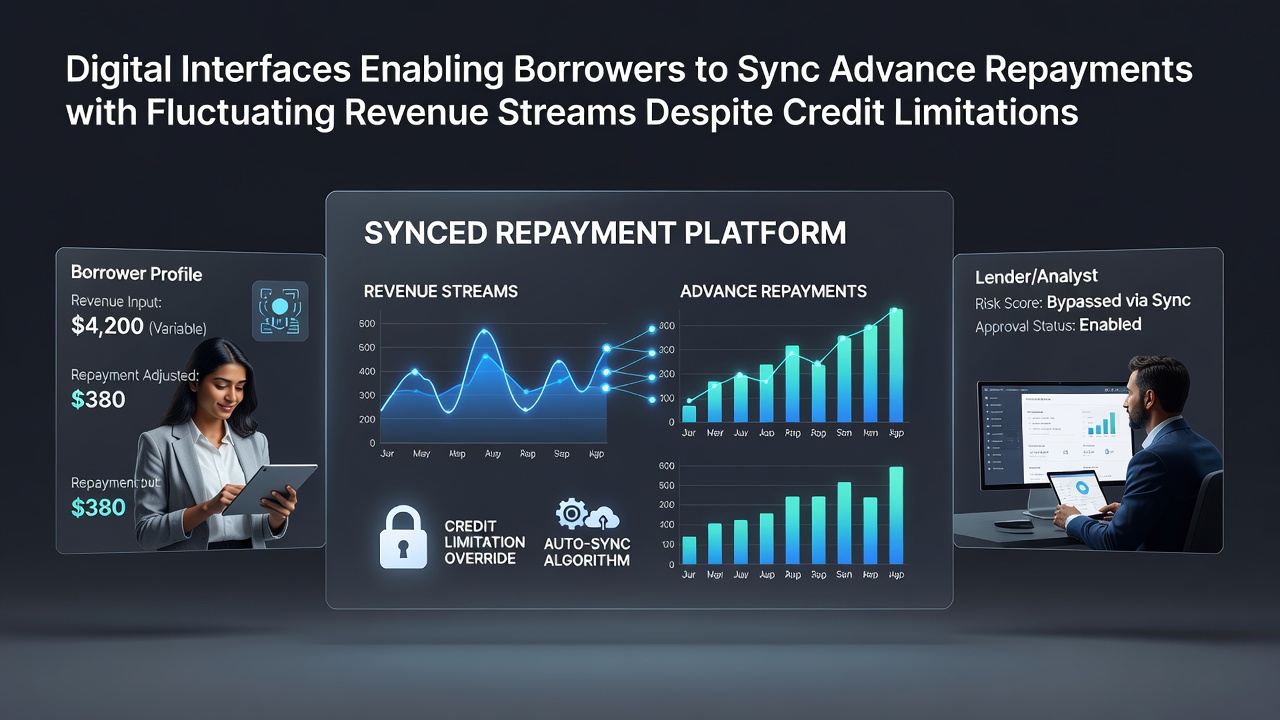
Adaptive Digital Systems Supporting Repayment Synchronization for Borrowers with Irregular Earnings and Credit Constraints
Financial technology platforms have developed interfaces that connect directly to borrower bank accounts and accounting software, allowing repayment schedules to shift in real time based on incoming deposits and cash flow patterns. These systems rely on application programming interfaces that pull transaction data daily, then apply algorithms to calculate adjusted installment amounts while maintaining compliance with existing loan agreements. Research from the Federal Reserve Bank of New York indicates that such tools have expanded access for individuals whose income varies week to week, including gig workers and seasonal contractors.
Observers note that credit limitations no longer block participation when platforms use alternative data sources such as utility payment histories, rental records, and business revenue streams. The process begins with an initial risk assessment that factors projected cash inflows rather than relying solely on traditional credit scores. Borrowers authorize secure connections that update automatically, enabling the interface to suggest payment dates that align with expected revenue spikes and reduce the chance of missed obligations.
Core Mechanisms Behind Revenue-Synced Repayments
Algorithms within these interfaces analyze historical deposit patterns over several months, then generate forward-looking models that forecast available funds for each repayment cycle. When actual deposits exceed projections, the system offers options to accelerate principal reduction without incurring additional fees. Conversely, during slower periods the interface can extend the current cycle by a few days while preserving the overall loan term and total interest calculated under the original agreement.
Data from the Bank of Canada shows that borrowers using these adaptive features reduced late-payment incidents by measurable margins compared with fixed-schedule arrangements. The technology maintains audit trails that satisfy regulatory requirements across multiple jurisdictions, storing encrypted logs of every adjustment and borrower authorization. Integration with accounting platforms such as QuickBooks or Xero further refines accuracy by incorporating invoice data that signals upcoming revenue.
Implementation Across Different Lending Channels
Online lenders and credit unions have adopted similar dashboard designs that present visual timelines of projected revenue alongside repayment options. Users view color-coded calendars that highlight optimal payment windows, then confirm selections with a single tap or click. The interface automatically recalculates remaining balances and displays updated amortization tables that reflect each change, giving borrowers immediate visibility into long-term cost implications.
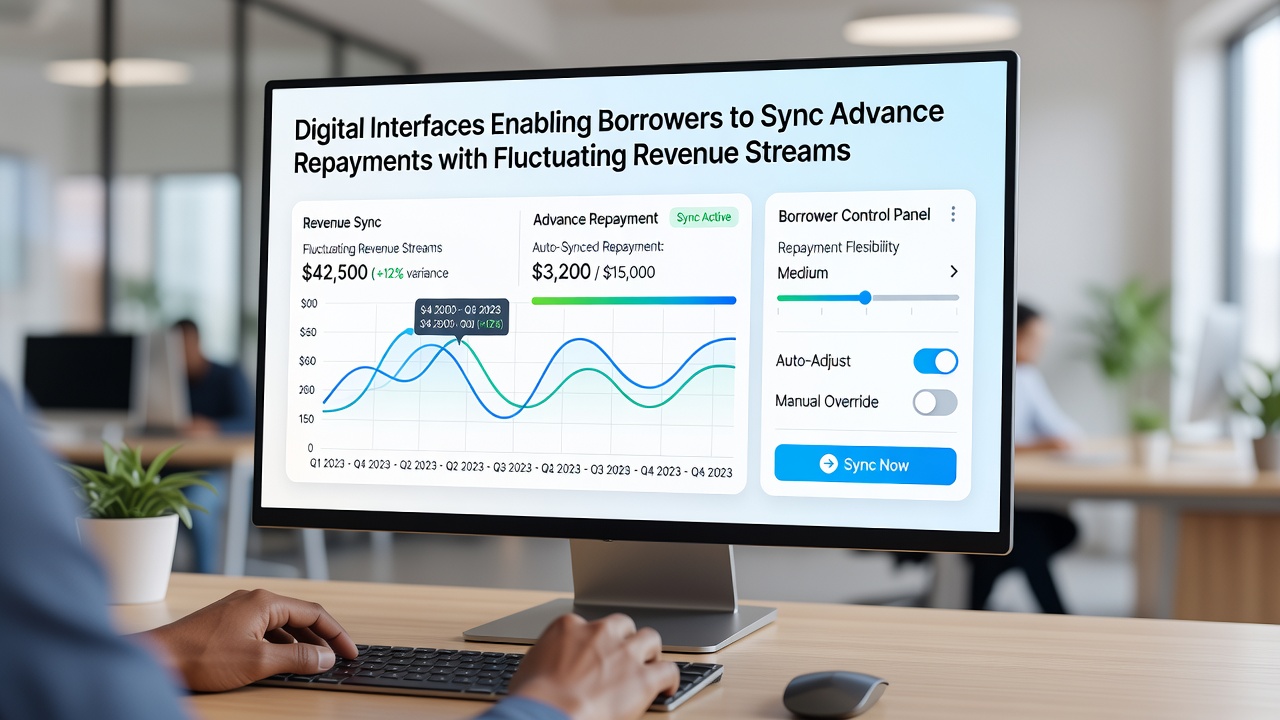
Studies from the University of Melbourne reveal that small-business owners facing seasonal revenue swings benefit particularly when interfaces link directly to point-of-sale systems. Payments are proposed only after confirmed sales data appears in the connected accounts, which lowers the risk of overdrafts. The same platforms often include educational modules that explain how different repayment choices affect total interest paid over the life of the advance.
Regulatory Considerations and Data Security Standards
Financial regulators in Australia and the European Union have issued guidelines requiring explicit borrower consent before any automatic data sharing occurs between bank accounts and lending platforms. Interfaces must display clear consent screens that detail exactly which data fields are accessed and how long records are retained. Encryption standards meet or exceed those mandated for consumer financial information, with regular third-party audits verifying compliance.
As of November 2026, updated reporting requirements in several regions now mandate quarterly disclosures on how frequently borrowers utilize flexible scheduling features and what outcomes result. These reports help oversight bodies track whether the tools deliver measurable improvements in repayment success rates across credit-constrained populations.
Conclusion
Digital interfaces continue to evolve by incorporating machine learning models that refine revenue predictions with each new transaction cycle. The combination of secure data connections, transparent adjustment options, and regulatory safeguards creates pathways for borrowers to manage advance repayments even when traditional credit metrics would otherwise limit options. Continued development focuses on expanding compatibility with additional accounting software and improving forecast accuracy during economic shifts.