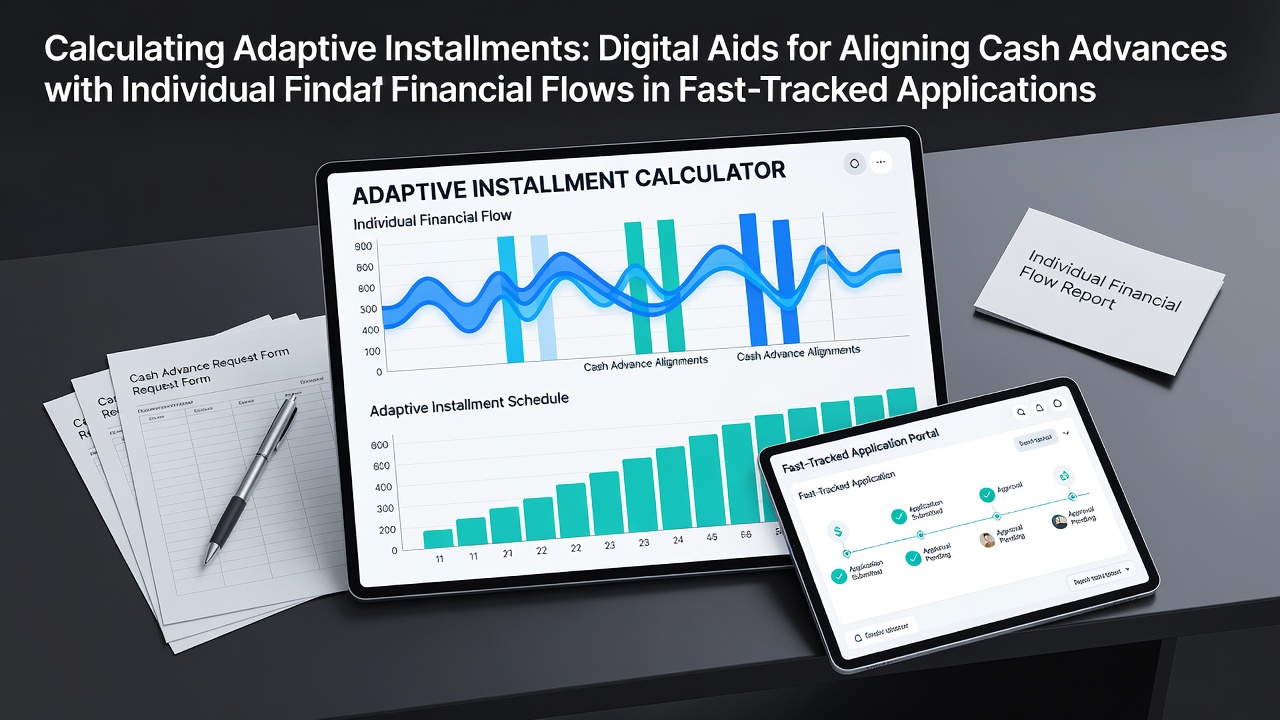
Calculating Adaptive Installments: Digital Aids for Aligning Cash Advances with Individual Financial Flows in Fast-Tracked Applications
Financial technology platforms have developed specialized calculators that adjust installment schedules based on real-time cash flow data, and these tools integrate with fast-tracked loan applications to match repayment amounts with incoming funds from wages, sales, or other sources. Developers designed the systems to process variables such as income frequency, expense patterns, and advance sizes through algorithms that recalculate payment dates and amounts on the fly, which reduces the chance of missed deadlines when personal finances shift unexpectedly.
Mechanics of Adaptive Calculation Engines
Users input details about expected deposits and recurring outflows into mobile or web-based interfaces, after which the software applies statistical models to generate flexible timelines that stretch or compress payment intervals accordingly. Data from transaction histories feed into these engines, and machine learning components refine projections by comparing actual versus forecasted balances over multiple cycles. Industry analysts report that such adjustments occur within seconds during the application process, which allows borrowers to preview scenarios before committing to terms.
Integration with banking APIs supplies live account information, while encryption protocols protect sensitive details throughout the session. Regulatory frameworks in multiple jurisdictions require transparency disclosures that list all variables influencing the calculations, and compliance teams audit the underlying code to confirm accuracy across different user profiles. Studies from academic institutions have examined these platforms and noted consistent performance in aligning projected flows with actual outcomes when users update inputs regularly.
Role in Fast-Tracked Approval Workflows
Accelerated lending channels rely on automated decision engines that pull credit and cash flow metrics simultaneously, and the installment calculators operate as a modular component within this pipeline. Once preliminary approval flags appear, the tool generates customized schedules that reflect the borrower's specific liquidity patterns rather than fixed monthly grids. Observers note that this approach supports quicker funding decisions because manual reviews decrease when digital outputs demonstrate feasible repayment alignments.
Case examples from lending networks show that applicants who utilize these calculators complete the verification stage faster than those relying on static templates, since the system flags potential shortfalls early and suggests minor adjustments. Figures from financial services reports indicate adoption rates climbed steadily through 2025, with further increases projected into September 2026 as more providers embed similar features in their core offerings.
Data Inputs and Output Variations
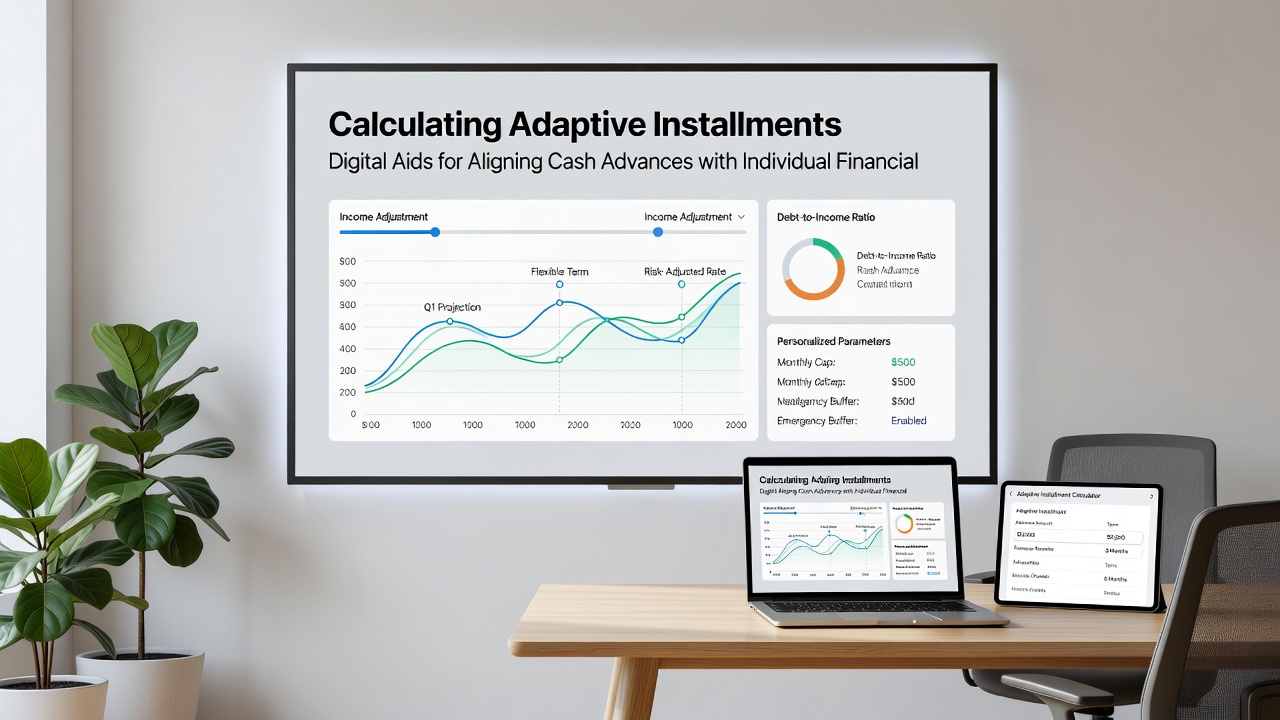
Core inputs include payroll dates, bill cycles, and irregular revenue streams, while outputs display ranges of possible payment amounts tied to different timing options. Users can toggle between conservative and flexible modes, and the interface highlights trade-offs such as total interest accrual under each path. Research indicates that platforms incorporating visual timelines help users grasp the impact of shifting one or two payments by a few days, which supports informed selections without requiring advanced financial literacy.
Third-party vendors supply benchmarking datasets that compare performance across demographic segments, and these resources help developers calibrate models for regional economic conditions. Government statistical agencies in several countries track aggregate usage patterns through anonymized submissions, which reveals broader trends in how adaptive structures affect default frequencies compared with traditional fixed plans.
Security and Compliance Considerations
Encryption standards and multi-factor authentication protect data exchanges between user devices and calculation servers, while audit trails record every parameter change during a session. Oversight bodies mandate regular stress testing of the algorithms to ensure stability under high-volume usage periods, and independent reviewers publish summaries of their findings for public access. Organizations such as the Consumer Financial Protection Bureau have issued guidance documents that outline expectations for accuracy and fairness in these digital tools.
International examples include reports from the Financial Conduct Authority that examine similar systems in European markets, where cross-border data flows add another layer of regulatory scrutiny. Developers respond by maintaining separate compliance modules that adjust output formats to meet local disclosure rules without altering core calculation logic.
Conclusion
Digital aids for adaptive installment calculations continue to evolve alongside improvements in data connectivity and predictive analytics, which expands their utility within fast-tracked cash advance environments. The combination of real-time inputs, automated adjustments, and regulatory safeguards creates structured pathways that align repayment obligations with individual financial rhythms across diverse user groups. Ongoing monitoring by industry and academic researchers supplies fresh datasets that inform refinements, ensuring the systems remain responsive to changing economic signals.